Practice insights
Full-Mouth Reconstruction: Make the Smile Conversation More Personal
Communication ideas for dentists, prosthodontists, periodontists and oral surgeons discussing full-mouth reconstruction and illustrative smile transformations.

Full-mouth reconstruction conversations can involve many unfamiliar terms. A patient may hear about procedures and stages while still wondering, “Will this smile feel like me?” Photo-based inspiration can make that question easier to discuss, without simplifying the clinical work into a picture.
Begin with the person, not a treatment label
Ask what brought the patient to the consultation and which changes matter most. Aesthetic goals may be important, but they are not a substitute for understanding the patient’s health, concerns and expectations. Give the patient space to describe what a comfortable, recognizable smile means to them.
Avoid presenting full-mouth reconstruction as a universal package. The appropriate care and sequencing depend on an individual professional assessment. A public example or simulation should not imply that every patient needs the same procedures.
Translate aesthetic preferences into useful questions
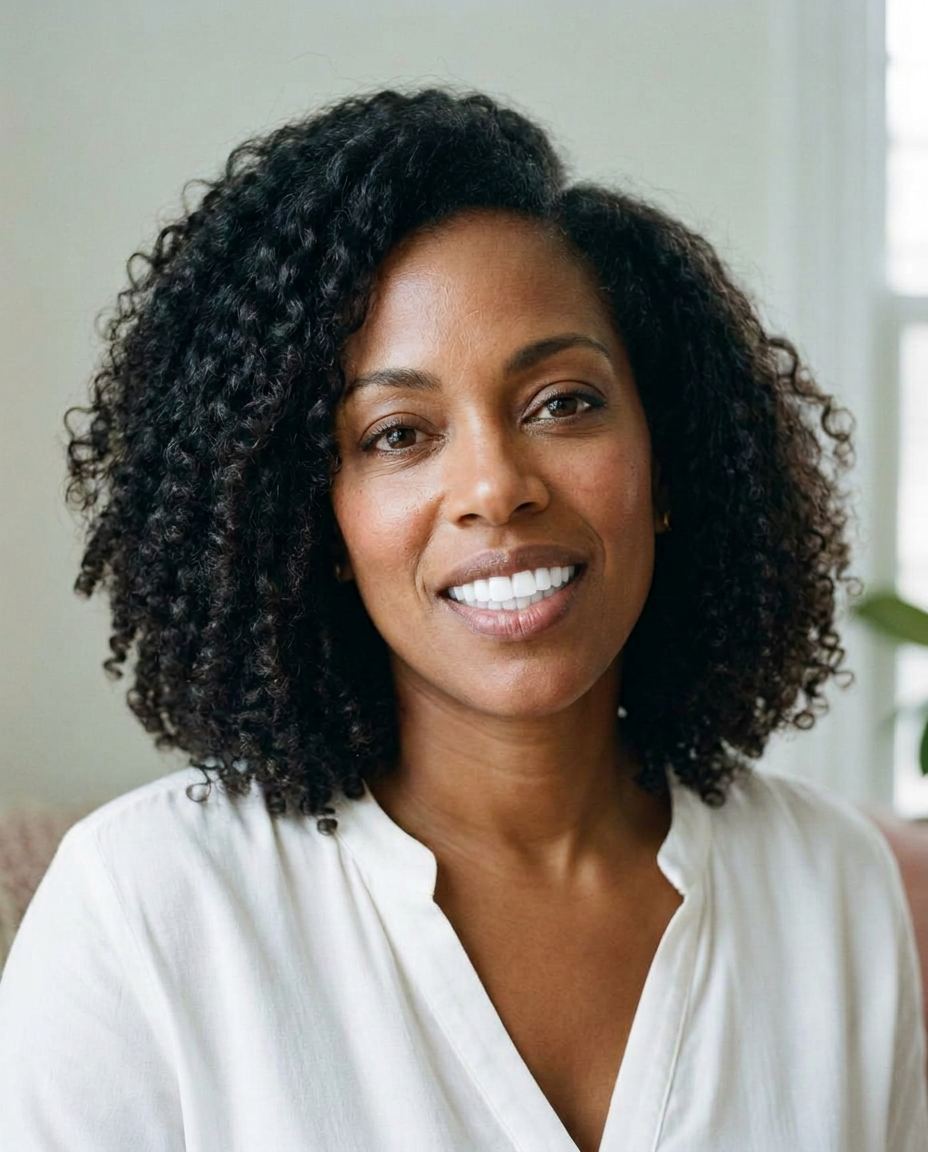
Shade, shape and smile style are understandable starting points. In SmileInspo, these preferences guide an illustrative preview generated from a photo. Show the comparison and ask the patient which details they connect with.
The preview can help clarify whether the patient wants a subtle change or a more noticeable one. It cannot determine occlusion, material selection, tooth preparation, periodontal suitability or restorative feasibility. Document the aesthetic discussion separately from the clinical plan.
Give each specialist’s evaluation its place
Some consultations involve a general or restorative dentist alongside a prosthodontist, periodontist or oral and maxillofacial surgeon. Explain who is involved in the patient’s actual care and what each professional will evaluate. Do not use a smile preview to bypass a referral or resolve a question that needs examination.
An illustrative image may provide a common language for patient preferences across the team. It remains distinct from diagnostic records and the planning tools used to coordinate treatment.
Present possibilities with clear boundaries
Introduce the image as AI-generated inspiration. Explain that the visible changes do not confirm a particular technique, timeline or outcome. If the patient likes a feature that may not be achievable, acknowledge it and explain that the clinical assessment will help determine what can reasonably be considered.
- Keep the original photo beside the illustrative preview.
- Ask what looks personal and what feels unfamiliar.
- Explain that actual treatment may look different.
- Discuss alternatives and unanswered questions before moving forward.
- Use private sharing only with appropriate patient permission.
Make the next conversation easier
After the visit, patients may want to revisit what was discussed. A reviewed private preview can accompany that conversation, but the image should not stand alone as a treatment recommendation. Keep the illustrative label visible and make clear whom the patient can contact with questions.
SmileInspo is built to help dental offices show a visual possibility. The goal is a patient who can describe their preferences and understand the next step—not a patient who mistakes a simulation for a promised reconstruction result.
Bring the possibility into focus.
Explore photo-based digital smile inspiration or see how SmileInspo fits into your dental practice.
Sign Up Now